

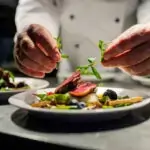
When you start searching for Jade Venison, you’ll find a jumble of things. Some websites talk about it like it’s premium game meat, others treat it like a brand, or even a person. That mix alone shows why people get confused. The name sticks because it sounds expensive, almost like a luxury product. But what it actually means depends on where you read it. Let’s clear it up in plain language.
What Jade Venison Means
The term comes from two parts. “Jade” usually means something valuable, green, and polished. “Venison” means deer meat, which is known for being lean, earthy, and used in fine dining. When you put them together, some use it as a marketing term for high-quality or “refined” venison. Others use it more abstractly, almost like a creative alias.
In short, Jade Venison isn’t an official food type you’ll find in stores. It’s an invented label — a way to make venison sound more exclusive, maybe even artistic. On platforms like Pinterest, it’s more about mood boards and visuals than recipes or farms.
The Food Angle
Some websites describe Jade Venison as a type of premium game meat. That’s where most people’s curiosity comes from. Venison, in general, has a rich flavor. It’s darker than beef, lower in fat, and often praised for its clean, earthy taste. But it’s also tricky to cook. If it’s overdone, it gets tough fast.
People who sell or cook with venison sometimes add a brand spin, calling it “jade” to make it stand out. It’s like saying “emerald steak” or “ruby beef.” The term helps market a product that’s already niche. It doesn’t change what it is — it just makes it sound refined.
If you ever see “Jade Venison” listed on a gourmet site, it’s still venison, but likely from carefully sourced deer, possibly grass-fed, and handled with care to preserve its texture.
Comparison with Other Gourmet Meats
| Fat Level | Low | High | Medium | Medium |
| Taste | Earthy, lean | Rich, buttery | Sweet, dense | Mild, gamey |
| Price Range | Moderate to high | Very high | Moderate | Moderate |
| Common Mistakes | Overcooking | Undercooking | Drying out | Overseasoning |
Venison is closer to bison in flavor but leaner than both beef and lamb. That’s why chefs often marinate it or pair it with sauces — to bring moisture back. So, if someone brands theirs as “Jade Venison,” they’re likely hinting at something rare or cleaner-tasting than standard cuts.
The Branding or Identity Angle
Now, if you look at Jade Venison on Pinterest or on design-related sites, you’ll notice something else — art, logos, and aesthetic boards. Here, it’s not about food at all. It’s used as a creative name, possibly for a person or online persona. It looks like someone took the name and made it stand for design, identity, and personal style.
That’s where it gets interesting. Because it shows how one phrase can stretch across industries — one side food, one side art. The dual use could even help both sides rank online, since they attract different search audiences.
SEO and Online Presence
In SEO terms, Jade Venison sits in a low-competition keyword zone. It’s unique enough to rank if someone writes clearly about it. But it’s also vague, which means search engines don’t have a strong category for it yet. That’s both good and bad.
Good, because it gives anyone writing about it an easy chance to appear in the top results. Bad, because users might not know what they’re looking for. That’s why a page explaining it — like this one — helps fill that gap.
Why People Care About It
For food lovers, it’s about discovery. Venison has been around for centuries, but the “jade” label makes it sound modern. It gives restaurants or sellers a way to say, “ours is different.” For designers or artists, it’s the reverse — they borrow the idea of rarity and richness to name their brand or aesthetic.
It’s similar to how “rose gold” became a lifestyle term, not just a metal color. Jade Venison fits that pattern — luxury-sounding, adaptable, and trending quietly across platforms.
Common Misunderstandings
- It’s a real animal breed – No, it’s not. There’s no special “jade deer.”
- It’s officially recognized meat – It isn’t certified or graded separately. It’s just branded venison.
- It’s vegan or plant-based – Not at all. Venison means deer meat.
- It’s a person’s name – On Pinterest or some blogs, yes, but not in food listings.
When a term lives in both food and art spaces, confusion is normal. The key is context.
How It’s Used in the Food Market
If you look at how boutique meat sellers work, they often label their cuts with names that suggest origin or quality. Like “Silver Valley Lamb” or “Blackwood Beef.” “Jade Venison” fits that model. It gives off a feel of purity and rarity.
Sellers might use it for farmed venison that’s raised with organic feed, low stress, and sustainable practices. Those details matter for buyers who care about animal welfare and taste quality. It also helps justify the higher price.
How It’s Used in Creative Branding
In art and branding, the name “Jade Venison” works differently. It sounds unique, gender-neutral, and memorable. Perfect for someone who wants a name that stands out but doesn’t scream its meaning. That’s why you’ll see it on Pinterest linked to minimalist aesthetics, typography, and color palettes.
It’s not about meat — it’s about vibe. Think emerald tones, natural textures, and balance between raw and refined. The connection to venison — a wild animal — adds a subtle edge to the softness of jade.
Why It Matters Online
Names like this show how language evolves online. A phrase once tied to food can become part of design culture or personal identity. That crossover is what makes it SEO gold — low competition, high curiosity.
If you’re building a brand or writing content, Jade Venison is an example of how you can turn something specific into a broader idea. People search for it because it sounds rich and mysterious, even if they don’t fully know what it is.
FAQs
What is Jade Venison?
It’s a name used both for high-end venison branding and as a creative or aesthetic identity online.
Is it an actual meat type?
No. It’s standard venison marketed with a unique name.
Why is it called Jade?
Probably because jade symbolizes purity and value, making the meat or brand sound more elite.
Can you buy Jade Venison?
Not specifically. You can buy venison, and some sellers might brand theirs as “Jade Venison.”
Why is it trending?
Because it mixes food culture and creative branding — two things that spread fast online.
Conclusion
Jade Venison Jade sits in a weird but interesting space between food and art. It’s part marketing, part identity, and partly a search anomaly that caught on. For some, it’s about flavor and sourcing. For others, it’s about visuals and design. Either way, the term carries a sense of rarity.
If you’re writing, branding, or cooking, Jade Venison is a reminder that names matter. They shape how people see a product — or even a person. It might not be real jade, and it’s not a new species, but it’s a perfect example of how digital culture blends meaning, value, and identity into one simple phrase.